I’m reading a paper from 2010 titled “Quantitative Easing and Proposals for Reform of Monetary Policy Operations” and one of the very interesting things was this:
Before joining the Fed, Professor Bernanke promoted “quantitative easing,” a policy of asset purchases by the central bank to create excess reserves in the banking system. Since excess reserves earn little or no interest, banks would be induced to make loans to earn more interest. This would, he argued, encourage spending to create the stimulus required for growth and job creation.
But as we now know, this didn’t happen. Why? Because, as we saw in Japan from 1993 on, when there are no borrowers there will be no lending, so all the excess reserves just sit in those theoretical bank vaults waiting for a borrower to come.
The next obvious question then is why were there no borrowers? Simple, households and businesses were deleveraging, reducing their debt burden. It doesn’t matter what interest rate you offer if people are trying to get out from under debt they won’t borrow no matter what incentives there are.
Interestingly though, the authors of that paper were making a claim that it was bad policy to incentive private sector borrowing when “the US private sector is already suffering from excessive debt (indeed, that was one of the factors that contributed to the crisis). It makes little sense to encourage more lending and borrowing in a condition of national overindebtedness.”
So, the claim is, even if banks were successful in encouraging more borrowing by consumers that would be problematic because Americans were already overleveraged. But remember, this was written in 2010, still in the midst of the global financial crisis. Have things changed since then in terms of American debt?
Not according to Richard Vague and others who say Americans are still way over-burdened with debt. Vague even suggests a debt jubilee to relieve the burden of private debt. I am not necessarily against a debt jubilee. It’s actually Biblical. How this would work in practice I don’t know. It’s an interesting thought experiment in any case. However, it made me wonder, “are Americans still heavily burdened in debt?” So I took to the interwebs to find out. Let’s look at our positioning relative to the rest of the world and what you will see is quite shocking.
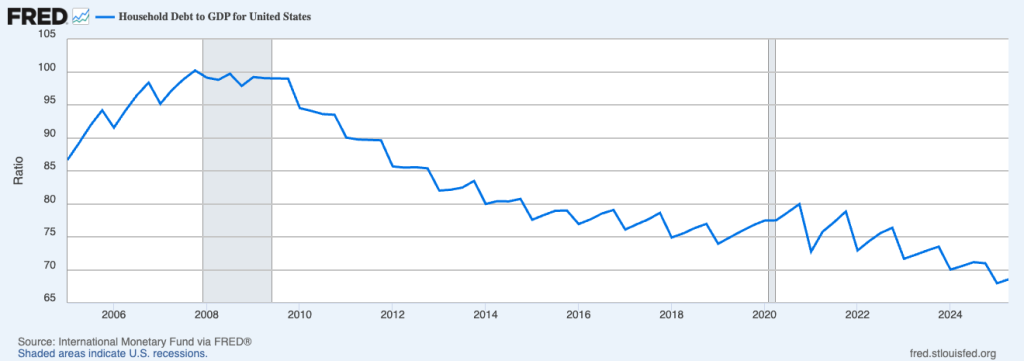
This chart shows the Household Debt to GDP in the US going back over 20 years. As you can see it’s the lowest it’s been.
That’s pretty interesting. So I wondered how other countries compare?
Wow, check this out!
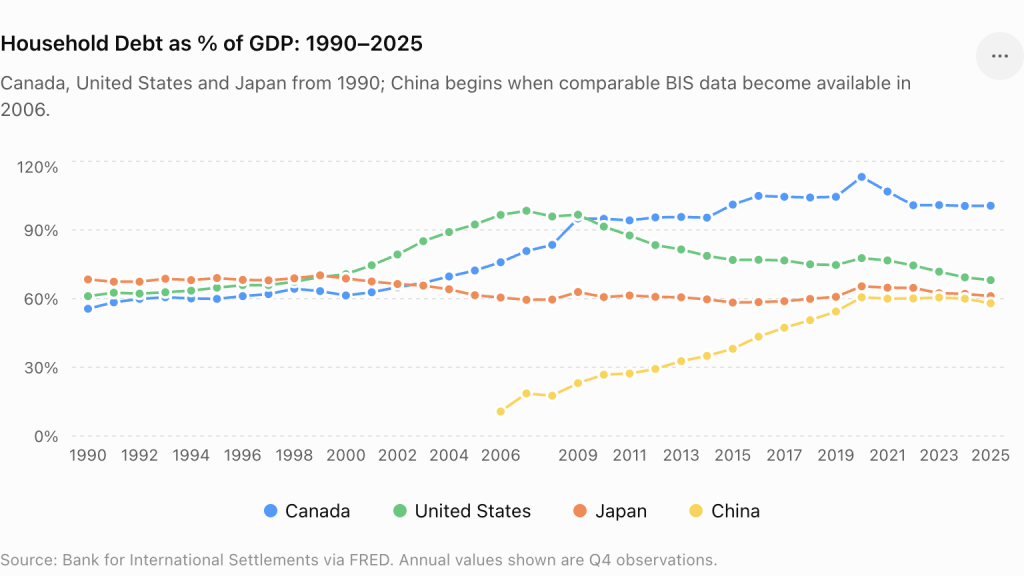
The Good Guys are right back where we were in 1990, the good guys being America of course. The Japanese have also decreased their burden relative as well. Look at that Canadian jump though, wow. Then look at… Wait, what? China? China has exploded from a debt to GDP perspective? Who knew? Weird you don’t hear about that very often.
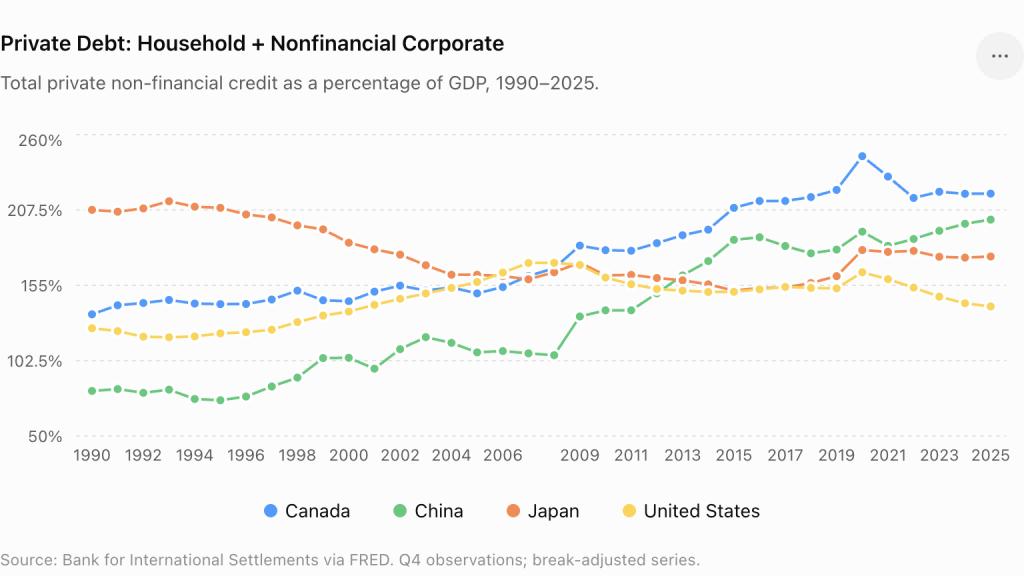
But the good times don’t stop there for the Good Guys. Let’s look at ALL private sector debt compared to GDP. And once again, we are kicking butts and taking names. Seems to me it’s hard to say we’re over leveraged when we are right where we were in 1990. Yet China, the country who supposedly will displace us, has gone on a debt binge.
Now, some argue it’s GOVERNMENT debt that’s the issue, not so much private debt. I don’t understand that thinking in the least. Private debt is what causes crashes and Depressions, not government debt. But for what it’s worth here you go. I added Germany to show what a low Debt to GDP looks like. I guess Germany is a better play than the US because of this? Well, if you buy that, I’ve got some ocean front property in West Virginia to sell ya.
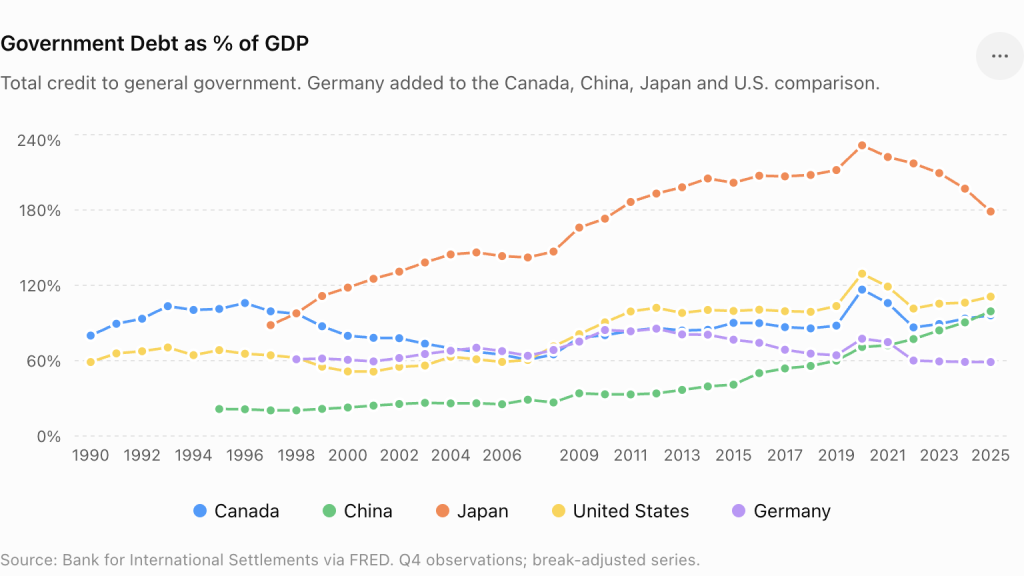
Finally, if we add up private AND government debt this is what we’re looking at. Again, the USofA is crushing all comers.
| Country | Private debt | Government debt | Combined |
|---|---|---|---|
| 🇨🇦 Canada | 218.9% | 96.1% | 315.0% |
| 🇨🇳 China | 200.8% | 99.3% | 300.1% |
| 🇯🇵 Japan | 175.1% | 178.8% | 353.9% |
| 🇺🇸 U.S. | 140.3% | 111.0% | 251.3% |
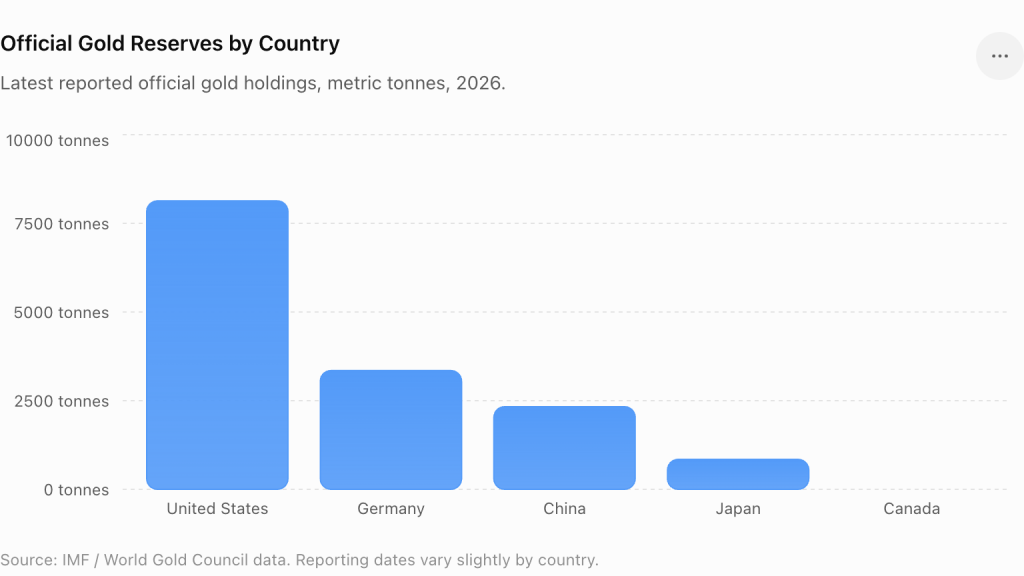
Oh, I hear you screaming at me right now “But Josh, all that debt worldwide means mass inflation is inevitable so the dollar will get destroyed!” Oh in that case, the USofA is STILL #1!
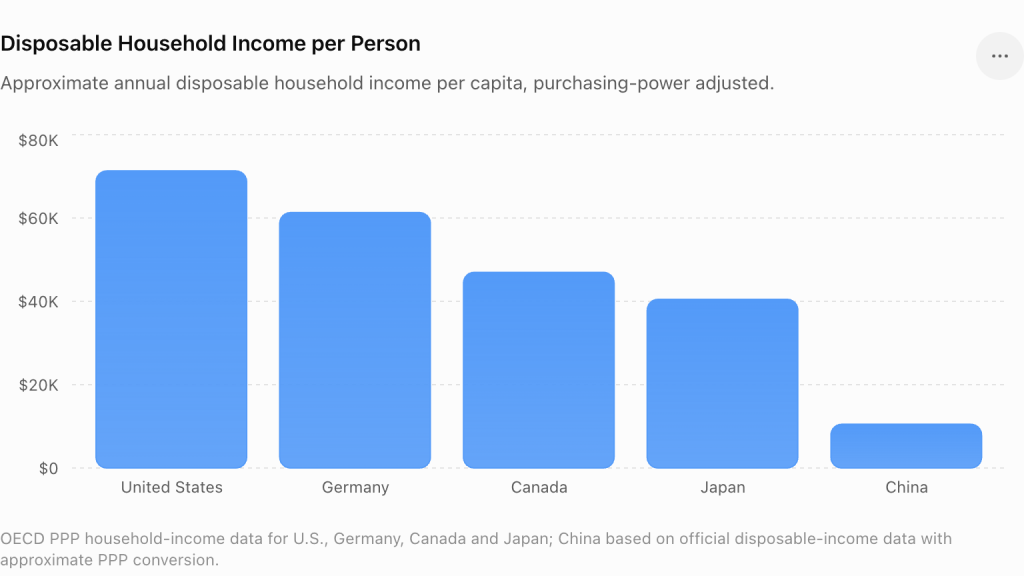
“But Josh, it’s too expensive in the US! I’m moving to Canada.” Okay, good luck with that. Especially when we look at disposable net income on a PPP (Purchasing Power Parity) comparison. (Side note, it’s hard to come up with the Chinese data here, so take this with a grain of salt).
“But Josh, the Data Centers are causing our electricity prices to skyrocket!” Really?
| Country | Residential electricity |
|---|---|
| 🇩🇪 Germany | ~43¢/kWh |
| 🇯🇵 Japan | ~22¢ |
| 🇺🇸 United States | 17.3¢ |
| 🇨🇦 Canada | ~13¢ |
| 🇨🇳 China | ~8¢ |
“But Josh, because Trump got rid of the Green New Deal, we’re losing our competitiveness on energy!”
Uh huh. This table shows the percentage of income households spend on total energy, not just the cost per kWh of electricity.
| Country | Approx. energy burden |
|---|---|
| 🇯🇵 Japan | 6.5% |
| 🇩🇪 Germany | 6.0% |
| 🇨🇦 Canada | 4.5% |
| 🇺🇸 United States | 3.4% |
| 🇨🇳 China | 3.0% |
Oh but it even gets better. From the EIA itself. Imports dropping like a brick in water. Exports rising like Helium.
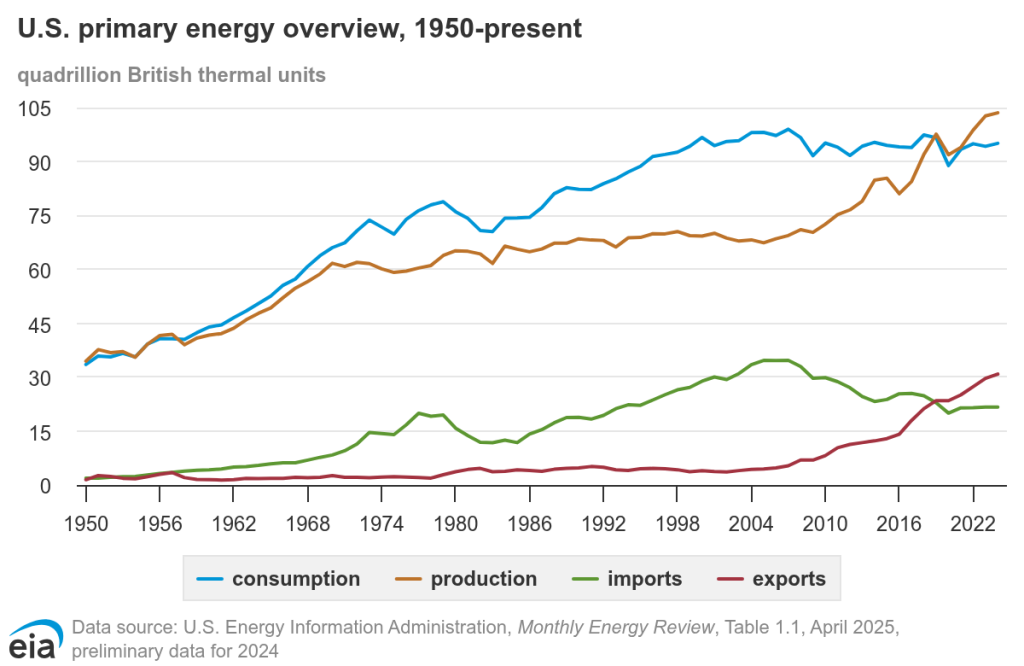
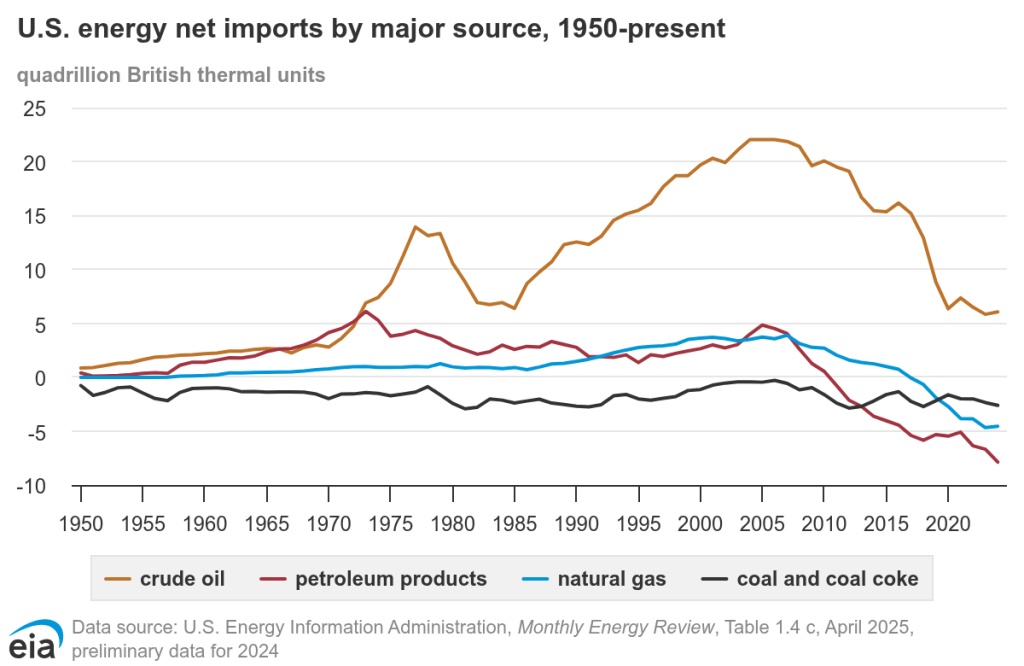
If it makes you happy, by all means, keep on doubting the US and assuming China will overtake us. Whatever gets you out of bed in the morning. For me though, I’ll continue to get on my knees and thank the Good Lord for allowing me to be born and raised in the good ole, USofA.
Blessings,
Josh
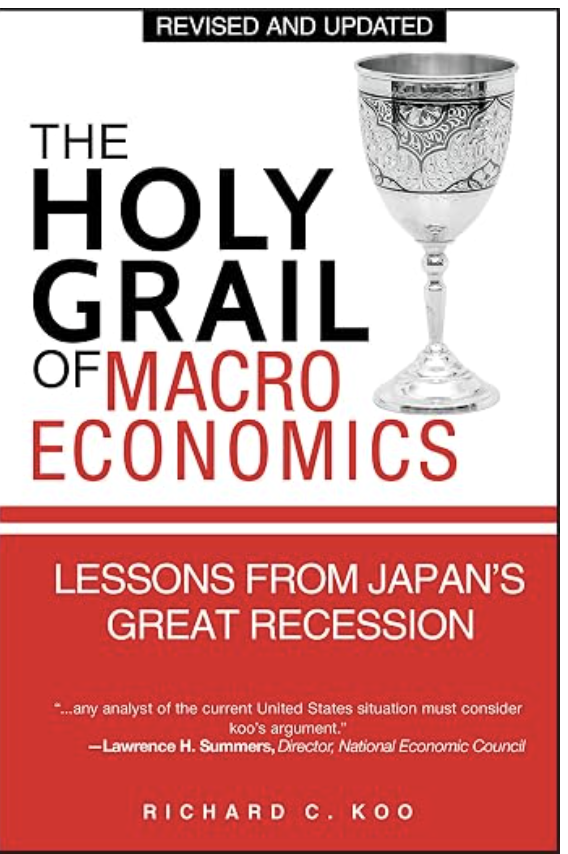
P.S. Here are a a a few great books to read that will change how you view modern economics.
I can’t stress how important this book was to me in my transition (!) away from classical economic orthodoxy. It was recommended to me by a listener on my youtube channel way back in 2019 and I highly suggest you read it.
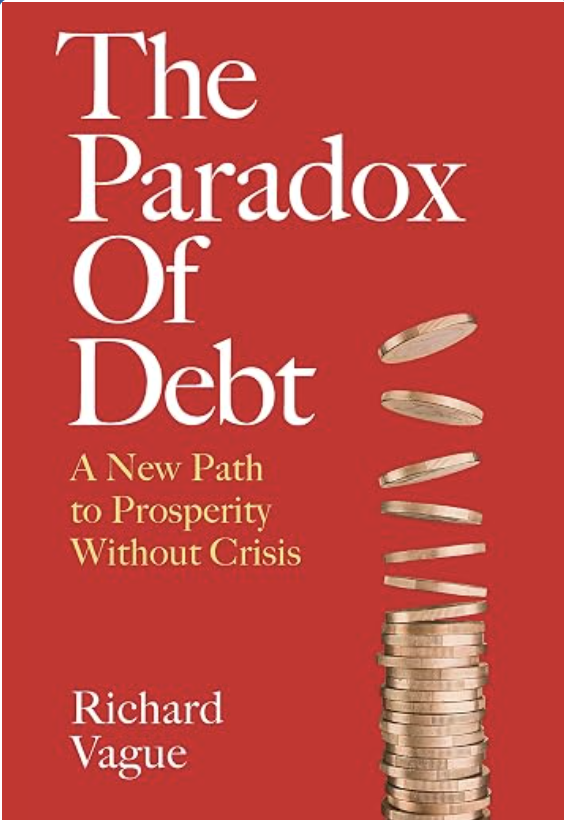
Richard Vague’s book, the Paradox of Debt, is a masterclass in detailing the real cause of inflation as opposed to what the mainstream economists would have you believe.
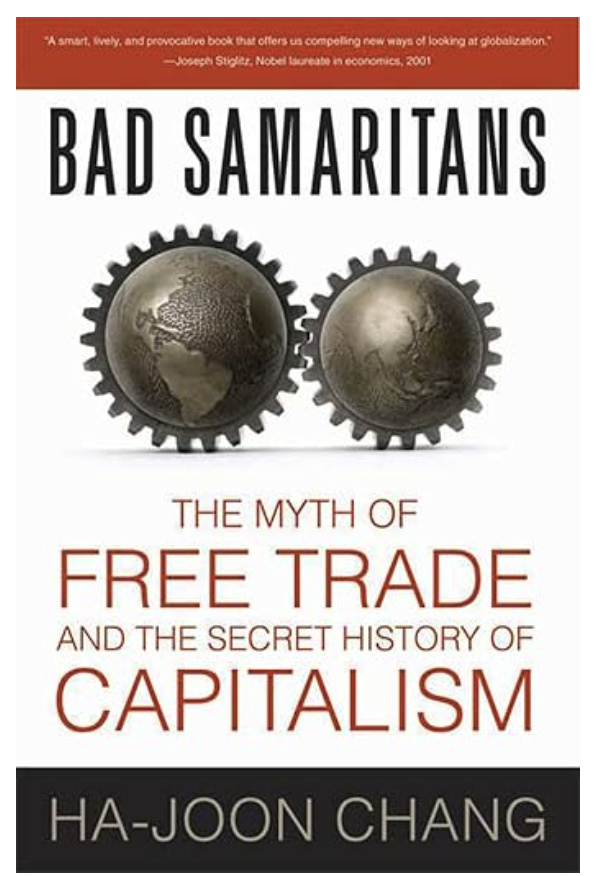
And Bad Samaritans: The Myth of Free Trade and the Secret History of Capitalism by Ha-Joon Change.
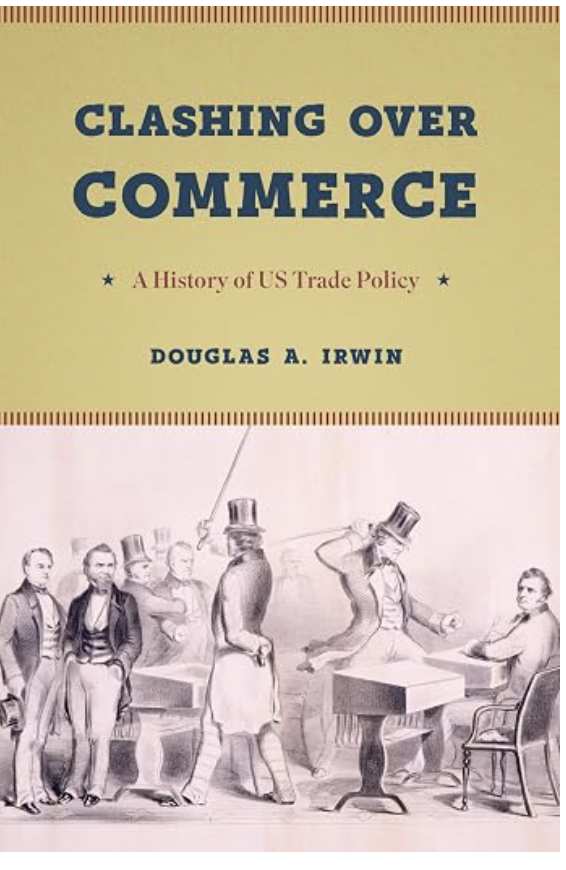
Lastly, more than anything else, this is the book that lead me away from free trade, which is odd because the author, Douglas Irwin,is definitely pro free-trade and anti-tariff. I just don’t know how you can read this and come away thinking tariffs are bad. The history of tariffs speaks for itself.